0%
youth_empowerment_staff_conversation_dsc00884-1

Our History

180 years of care and belonging

The Y began in 1844 in England as a small group of young men seeking connection, strength and purpose.

By 1850 the Movement had reached Australia, growing into a trusted community presence through moments of challenge and change. From supporting communities through two world wars to navigating the Depression, the GFC and the COVID-19 pandemic, the Y continues to evolve as communities needs change around it.

Today, the Y is the oldest youth organisation in the world and a not-for-profit deeply woven into Australian life. What began as youth clubs and leadership programs has grown into children’s services, recreation centres, camps, youth programs and disability support across hundreds of communities.

Nearly 200 years on, the Y is still adapting to meet community needs and helping people belong, grow and thrive.

Did you know?

the-y-3-603x600@2x
the-y-3-603x600@2x

The first YMCA in Australia was established in Adelaide in 1850, only a few years after the movement began in London. From there, it expanded across the country to support young people and communities.

The Y has been in Australia for over
170 years

the-y-4-603x600@2x
the-y-4-603x600@2x

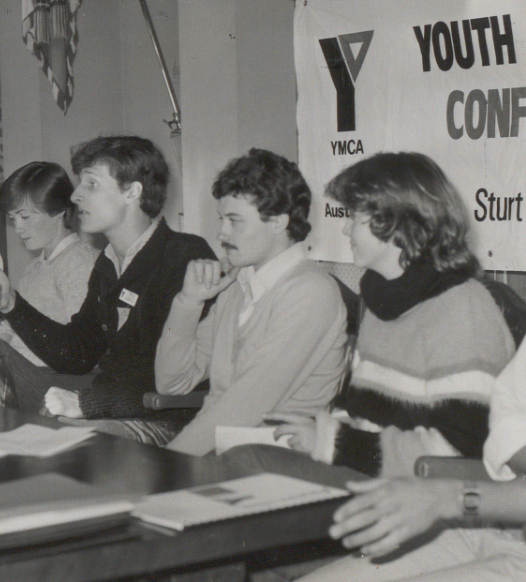
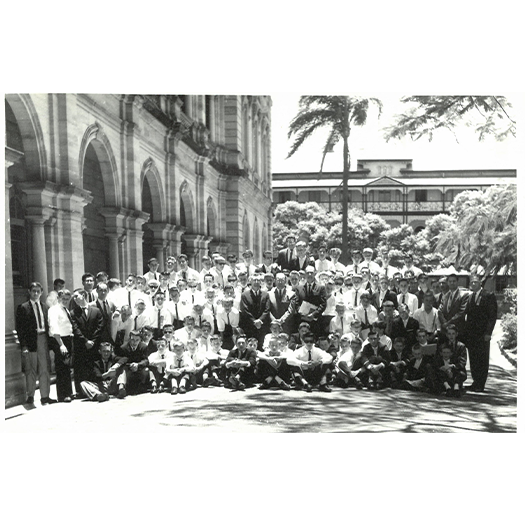
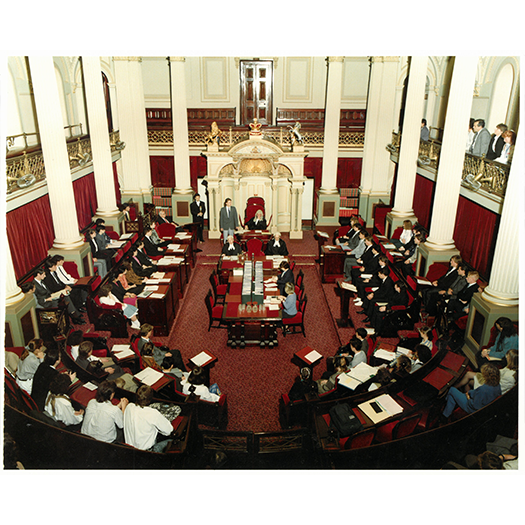
Programs such as Youth Parliament, first delivered in the 1960s, have supported generations of young people to build confidence, leadership skills and civic understanding.

The Y has a long history of youth leadership
in Australia

the-y-5-603x600@2x
the-y-5-603x600@2x

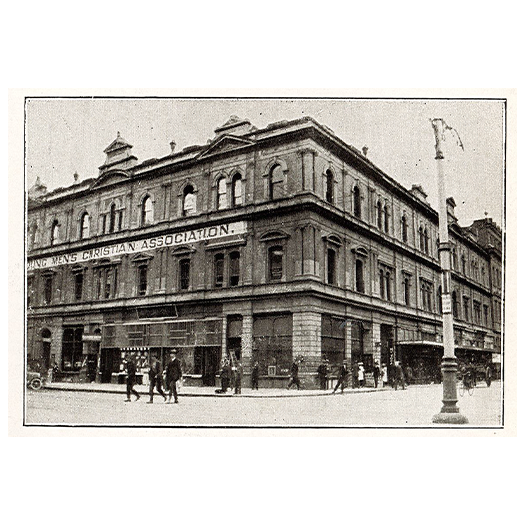
The YMCA grew as a network of member associations across states and regions, allowing local Ys to respond to community needs while contributing to a shared national mission.

The Y in Australia operates as a
federated movement

The_Y_Our_History_4
The_Y_Our_History_4

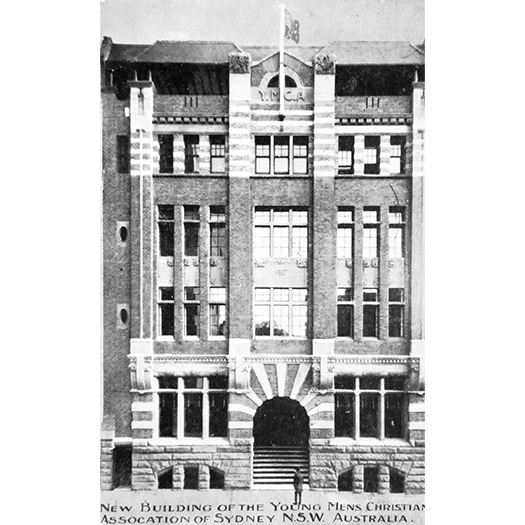
In its early years, the YMCA provided safe spaces, accommodation, education and recreation for young people relocating for work during periods of rapid urban growth.

The Y originally
supported young workers moving to cities

the-y-7-603x600@2x
the-y-7-603x600@2x

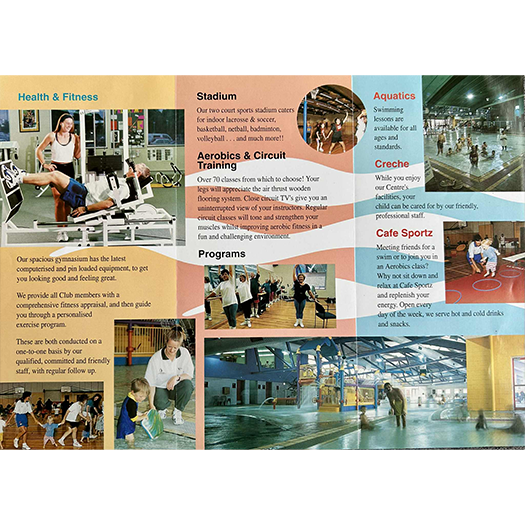
Local YMCA associations played a key role in developing organised sport, physical education and accessible recreation programs for children, young people and families.

The Y helped shape community sport and recreation in Australia?

1844

First YMCA Founded

The industrial revolution was a time of great inequality and exploitation. 22-year-old drapery merchant George Williams and his friends founded the Young Men’s Christian Association to provide a space for young men to support each other and build their strength in body, mind and spirit.

1850

First YMCA in Australia is founded in Adelaide.

1853

Sydney Association is founded.

1854

Hobart Association founded.

1855

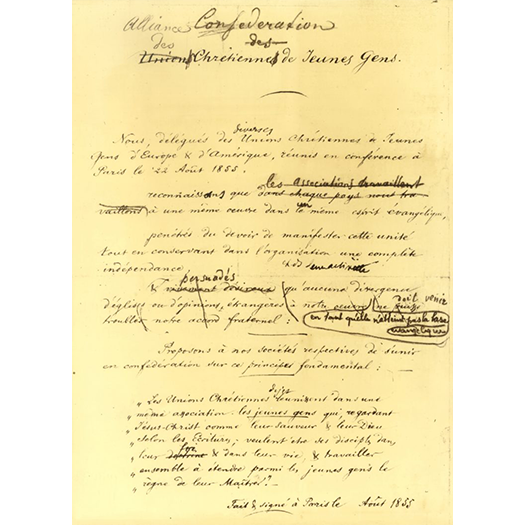
First YMCA World Conference in Paris.

The conference introduces the first mission statement of the YMCA Movement; the Paris Basis – a set of principles that would guide the relationships between individual YMCAs for years to come.

1864

Brisbane Association founded

1875

Geelong Association founded.

1877

First meeting of YMCA Australia and New Zealand.

1878

Ballarat Association founded

1885

Second conference between Australian and New Zealand YMCA delegates.

The Paris Basis adopted by YMCA Australia and New Zealand

1886

The National Council of Australia and New Zealand established

1891

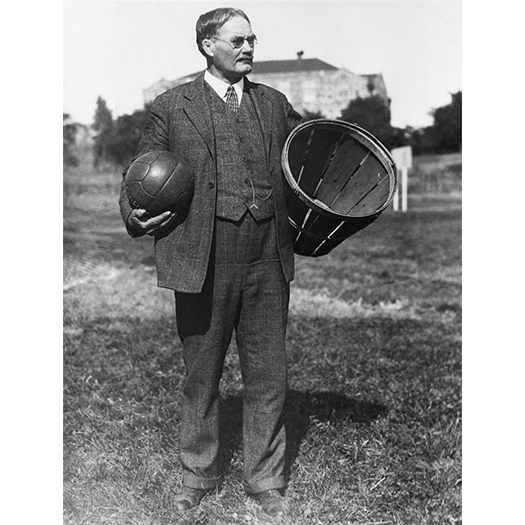
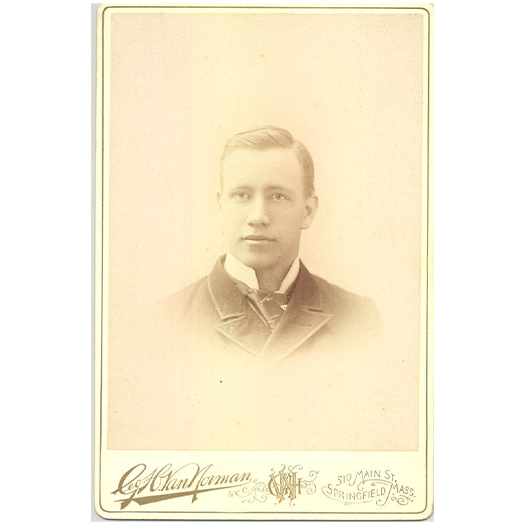
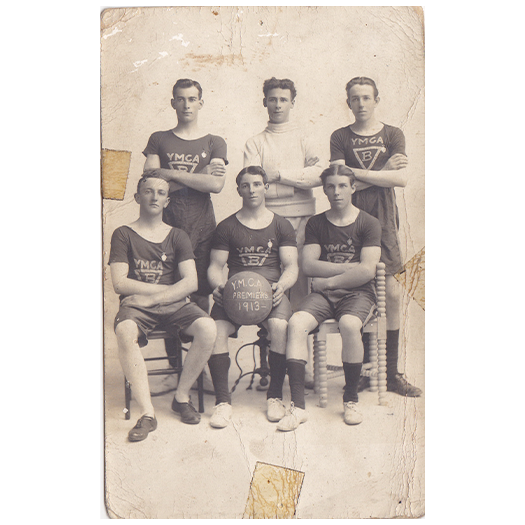
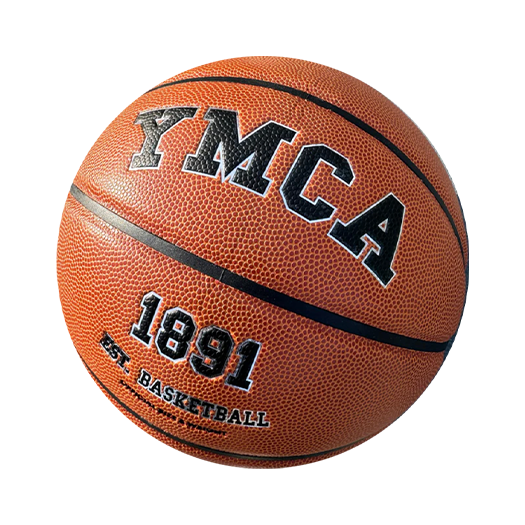
Dr. James Naismith invents Basketball

James Naismith took on the challenge from local governors at the Springfield YMCA to support disengaged students through physical activity. He invented a global phenomenon basketball in the process.

1895

William G Morgan invests Volleyball in Massachusetts, USA

1902

Perth Association Founded

1910

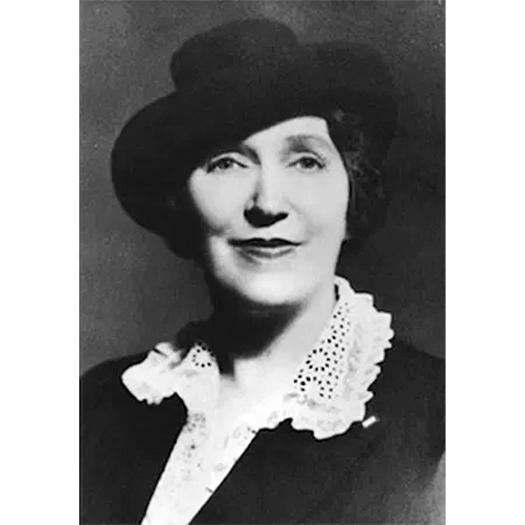
Father’s Day Established by the YMCA and Spokane Ministerial Alliance

Father’s Day was the brainchild of Sonora Dodd. Sonora’s mother died in childbirth, and she was inspired by the dedication and love of her father in raising herself and her five siblings alone.

1914-1918

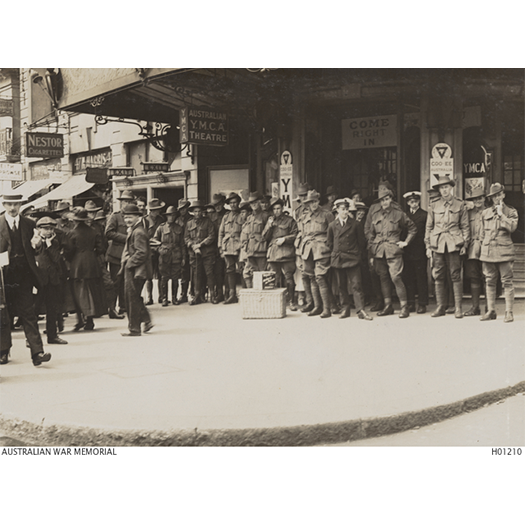
First World War

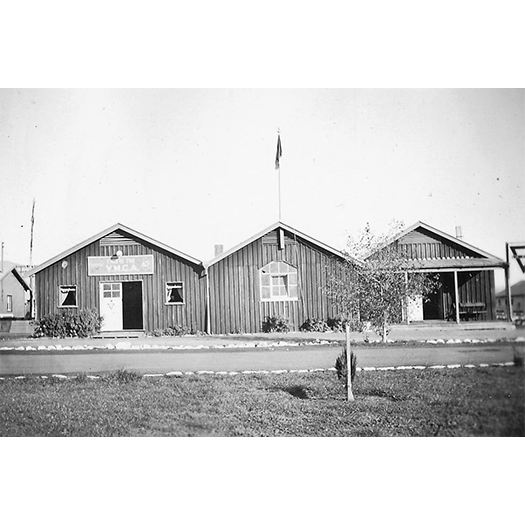
The YMCA was a significant presence in the war effort - bringing the comforts of home to soldiers on the front and running canteens, hostels and educational and recreational services to boost morale.

1918

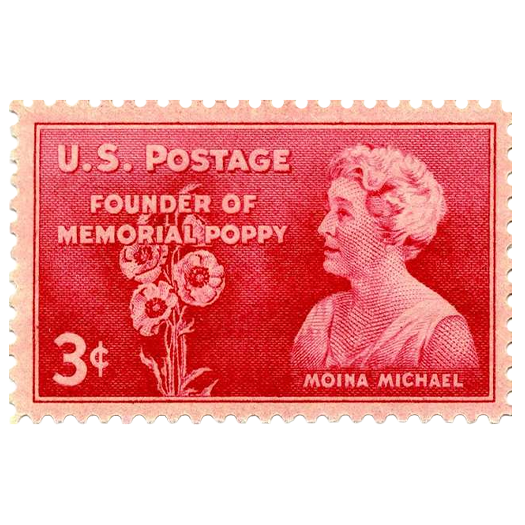
Remembrance Day

YMCA volunteer Moina Michael made the red poppy into an iconic symbol of remembrance. Inspired by John McCrae’s poem In Flanders Fields, Moina sold silk poppies to raise money to support returned soldiers - her campaign was so successful that the poppy was eventually adopted internationally as a symbol of remembrance.

1925

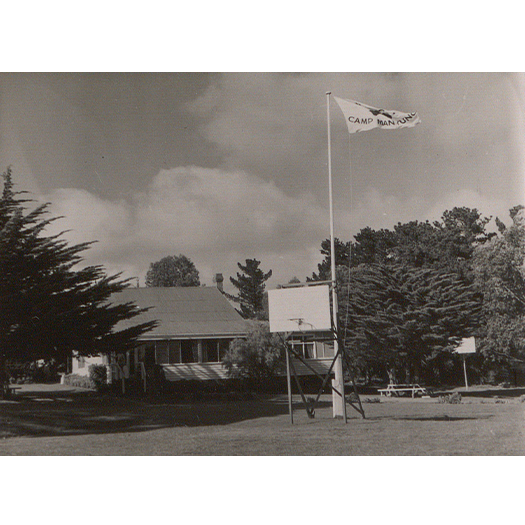
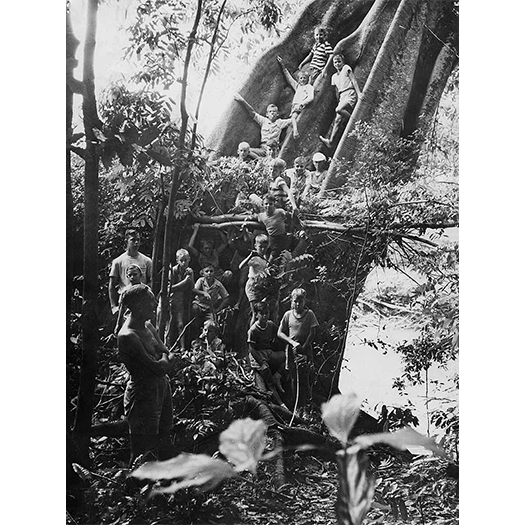
Camp Manyung

Camp Manyung, adventure camp opens in Mount Eliza through YMCA Victoria

1936

Basketball becomes an Olympic sport at the Berlin Summer Olympics.

The US men’s team takes the gold medal.

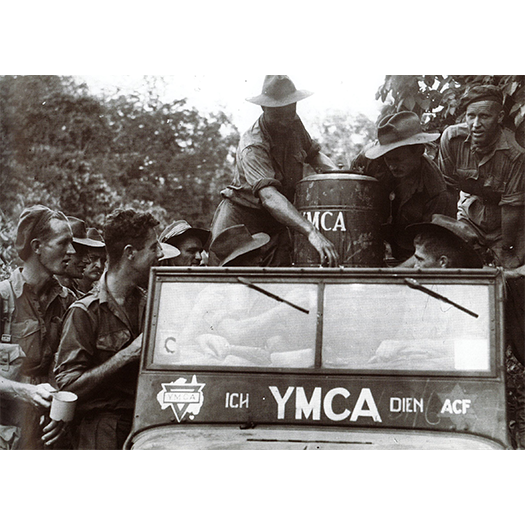
1939-1945

The YMCA geared up to support Australian soldiers abroad and at home.

1941

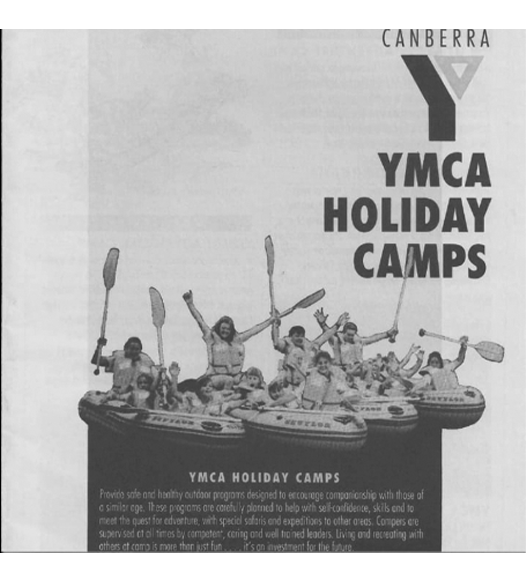
Canberra Association Founded

1946

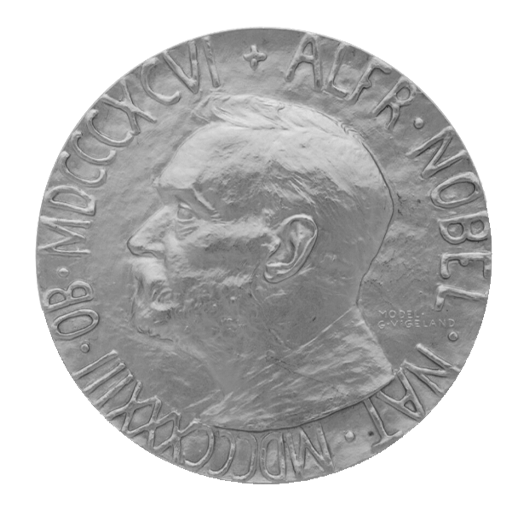
Nobel Prize Medal - John R Mott, YMCA Leader

President of the World Alliance of YMCAs John R. Mott receives the Nobel Prize for his work to promote unity across national boundaries during and after the world wars.

1950s

YMCA focuses on youth work, health and fitness.

1960s

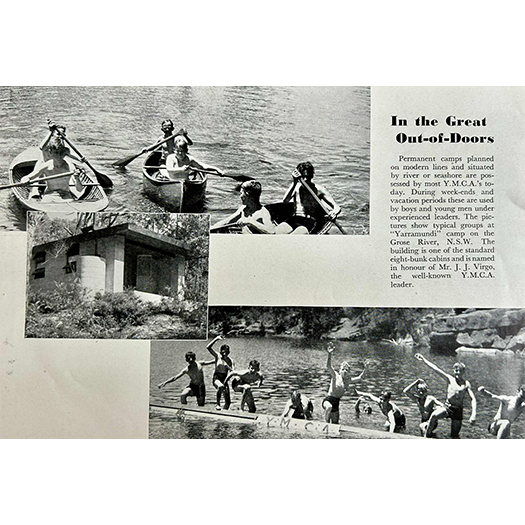
Growth in YMCA Camps. Camps such as Mt Evelyn (Victoria) and Yarramundi (NSW) become central to outdoor education.

1963

First Australian Youth Parliament held in Brisbane.

1964

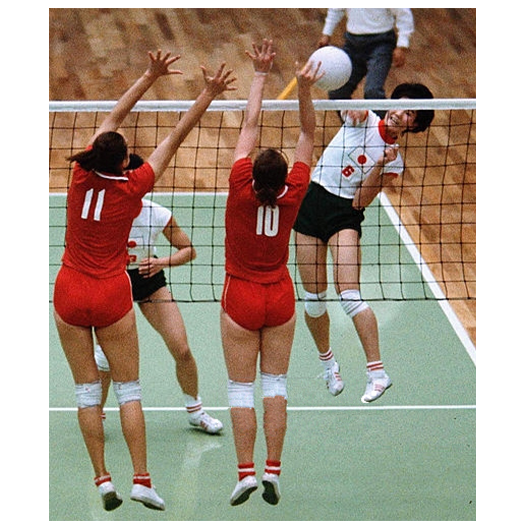
Volleyball becomes an olympic sport

At the Tokyo Summer Olympics, the Soviet men’s team and the Japanese women’s team take the gold.

1968

Darwin Association is founded.

1973

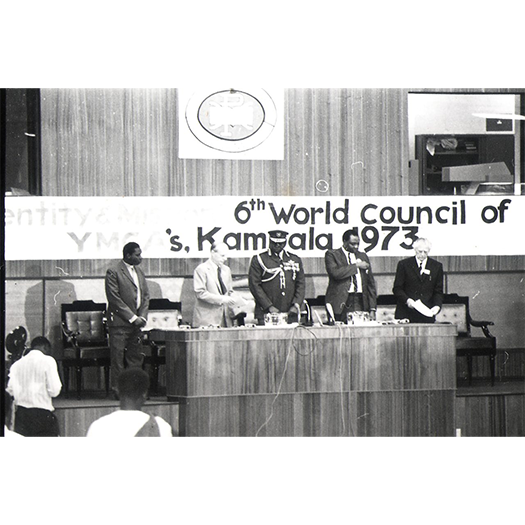
Kampala Principles

The 6th world council meeting in Kampala saw the adoption of principles that would further define the work of the Y movement including fostering equal opportunity and justice for all, wholistic development of the person, and a position of understanding and love.
1987

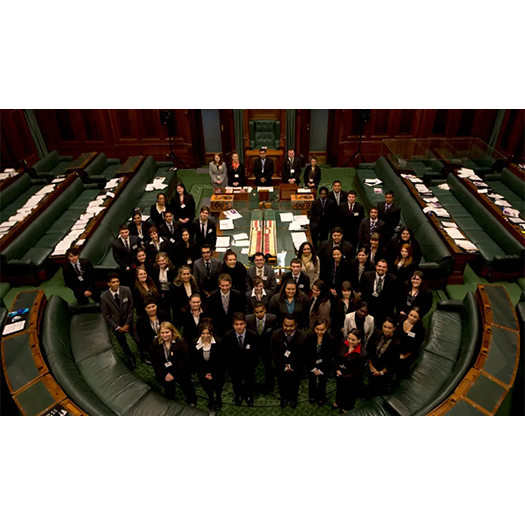
Youth Parliament commences annually, starting in Victoria and spreading to NSW, QLD, WA, SA, NT and TAS.

Youth Parliament is regularly held in Victoria and spreading to NSW, QLD, WA, SA, NT and TAS.

1990s

The Y runs camps, leisure centres and youth parliament programs

2012

First National Indigenous Youth Parliament (NIYP)

2013

Global Change Agents program launched.

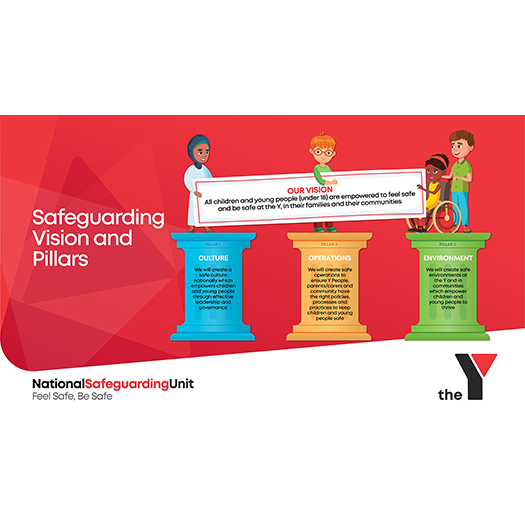
The RC findings in 2013 and 2017 led to a fundamental shift in the Y’s approach to child safety. The National Safeguarding Unit was established in 2019 and is a core component of all services, programs and activities undertaken by the Y culturally and operationally.

2013, 2019

Royal Commission into Child Sexual Abuse

The RC findings led to a fundamental shift in the Y’s approach to child safety, leading to the establishment of the National Safeguarding Unit in 2019.

2019

YMCA rebrands to the Y to build on the inclusive and welcoming nature of the organisation.

2020-2022

Ys throughout the world work together throughout the pandemic in unprecedented ways.

2022

Vision 2030 formally adopted by the global movement and the Y Australia.

2023

World Basketball Day

The day was introduced by the United Nations in recognition of the game invented by the YMCA, celebrated on 21 December annually.

2024

180 Year Birthday of the YMCA celebrated globally.

2025

National Youth Parliament announced for 2026.

“The Y was deeply saddened recently by the passing of our Y Historian and Life Governor, John Bindon.  John was instrumental in coordinating the ongoing task of managing the Y’s valuable archives. Without his dedication to preserving our history, this information would be lost to future generations.”

Read more about John’s dedication to the Y’s history here.
The Y Australia

Level 1, 2 Bristol Street,
Essendon Fields VIC 3041
Australia

Stay Connected